Why adult Cavaliers are hard to find
People who go looking for a Cavalier to adopt usually discover the same thing quickly: there are very few. Dogs from careful breeders tend to go back to those breeders when life changes, so few ever reach a shelter.
The Cavalier King Charles Spaniel Club of Canada says as much on its rescue page. Most owners who can no longer keep a Cavalier return it to the breeder first, and the club itself rehomes only one or two dogs a year. Those dogs are usually older, some have health issues, and the waiting list is long.
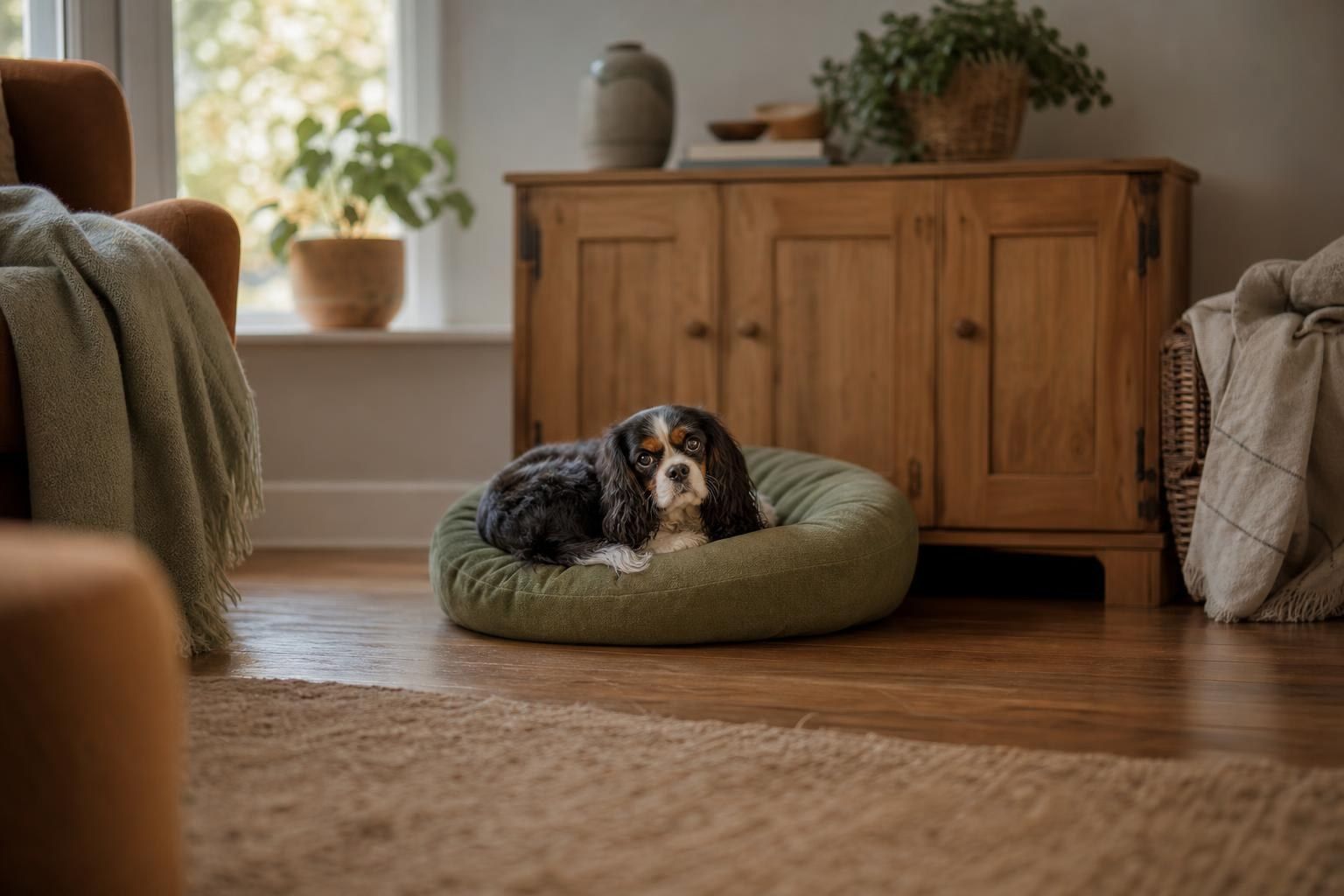
None of that should put you off. It means adoption is a slow route, and that the dog at the end of it is likely to be a senior. For the right household, a calm eight- or nine-year-old Cavalier who already knows how to live in a house is a better fit than any puppy.
The national club's rescue and regional programs
The national club's rescue page is the first place to apply. It explains that some of the costs of a rescued dog are passed on to the adopter. Be ready to describe your home, your schedule and your experience with older dogs, and plan on a wait.
The CKCS Club of BC also runs a rehoming page, but it currently says the program is not accepting adoption applications, because it has received no dogs in many years. It also does not take crossbreeds. Owners in British Columbia can still keep in touch with the club, and the British Columbia page lists other local resources.
Other regional clubs on the national list, such as the Cavalier Fanciers of Southern Ontario and the CKCS Club of Atlantic Canada, do not run a public rescue program. Their members do know local breeders, though, and a polite email asking whether anyone is rehoming an adult is reasonable.
At least two Cavalier rescue groups once listed online in Canada no longer have working websites. If a search turns one up, confirm it is active before sending any personal details or money.
Ask breeders about retired or returned adults
Since most Cavaliers in need of a home go back to their breeders, the breeders themselves are a real route to an adult dog. Use the CKC Puppy List and the national club's Breeder Directory, the same lists described in the guide to finding a Cavalier breeder, and say plainly that you would welcome an adult.
A dog placed by its breeder often comes with the most complete history you will ever get: heart reports from a cardiologist, eye exams, DNA results and years of vet records. Ask for all of them. An older Cavalier with a known murmur and a cardiologist's notes is easier to care for than a younger dog with no paperwork at all.
Ask too whether the breeder would take the dog back again if your circumstances ever changed.
Provincial SPCAs and humane societies
Purebred Cavaliers seldom appear in shelter listings, which follows from how many go back to their breeders. Provincial societies are worth watching, especially if you are open to a mixed-breed dog. The BC SPCA, the Alberta SPCA and the Nova Scotia SPCA all list animals for adoption, as do the Ontario SPCA, the SPCA de Montréal and the PEI Humane Society.
A shelter adoption usually costs far less than a puppy. Spot Pet Insurance says an adopted Cavalier can cost as little as $100 to $300. A shelter dog may come without any record of its parents' health, so treat the first vet visit as a fresh start rather than a formality.
Sheltie-specific rescue is a separate world. The Southern Ontario Sheltie Rescue Society, based in Burlington, places Shelties, Sheltie mixes and Rough and Smooth Collies, not other breeds, and the Sheltie puppy guide covers it.
| Province | Organization | Website |
|---|---|---|
| Ontario | Ontario SPCA and Humane Society | ontariospca.ca |
| British Columbia | BC SPCA | spca.bc.ca |
| Alberta | Alberta SPCA | albertaspca.org |
| Quebec (Montréal) | SPCA de Montréal | spca.com |
| Nova Scotia | Nova Scotia SPCA | novascotiaspca.ca |
| Prince Edward Island | PEI Humane Society | peihumanesociety.com |
Private rehoming and classified ads
Some adult Cavaliers change hands privately, through friends, vets' notice boards or classified sites such as Kijiji. Prices on classified ads have been seen around $1,000 for Cavaliers, which is close to a puppy price for a dog that may be middle-aged.
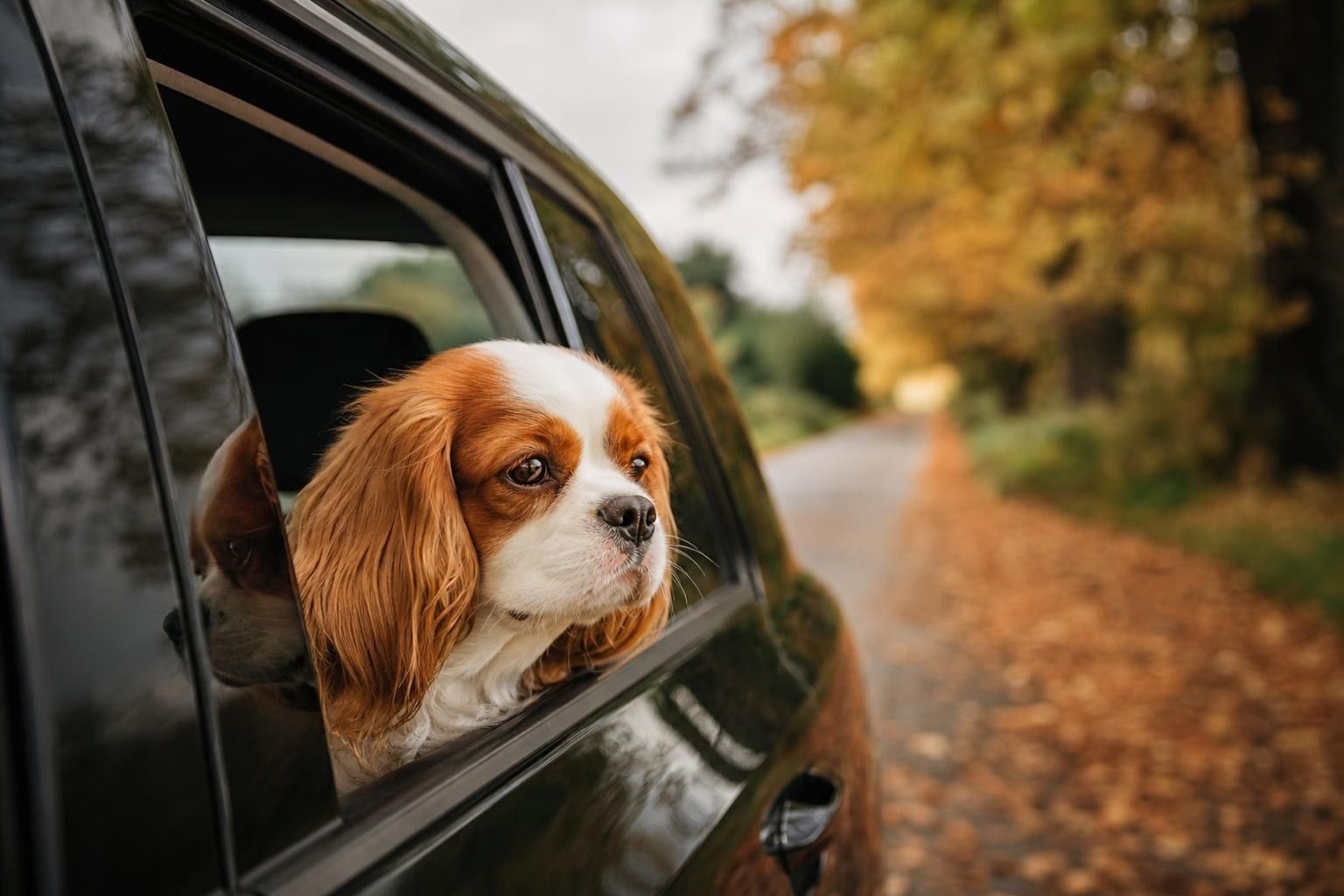
A private rehoming can work well. Meet the dog in its current home, ask for its full vet records, and ask who bred it; if the breeder is known, contact them, since they may want the dog back or can tell you about its parents. Be careful with any seller who cannot show records, asks for a deposit before a meeting, or wants to hand the dog over somewhere other than the home.
Ask the current owner to describe a normal day. How long are the walks? How does the dog cope when left alone, with children, with a car ride? The answers tell you more about the fit than the price does.
Adopting an older Cavalier: heart checks and winter care
An adult Cavalier is very likely to have a heart murmur, or to develop one. Cavalier Health reports murmurs in more than half of Cavaliers by age five and over 90 per cent by ten. Plan a cardiologist visit within the first weeks, so you know where the heart stands before anything changes. The health testing guide explains what a murmur and an echocardiogram show.
Budget for it. Pet insurers may treat a murmur that is already on file as a pre-existing condition, so get quotes before you commit and read the exclusions closely. The cost calculator lets you set the puppy line to the adoption fee and raise the vet line instead.
Older dogs, toy breeds and dogs with medical issues are all listed among those at greater risk in cold weather, and a senior Cavalier with heart disease is all three. Short winter walks, a warm coat, and wiping salt from the paws afterwards, as the BC SPCA advises, cover most of it. Watch for shivering, pale or grey gums, lethargy or stumbling, which the BC SPCA lists as signs of hypothermia.
Book the cardiologist early
The national club recommends cardiologist screening with an echocardiogram rather than a routine vet check. For an adopted adult, that first visit sets the baseline every later report is compared with.
The first weeks with an adopted Cavalier
An adult dog arriving from another home needs a quiet start. Keep the first days simple: a bed in a calm corner, the same walking routes, the same feeding times and the food the dog already eats, changed gradually if at all.
Cavaliers are affectionate by nature, as the breed standard puts it, but a dog that has lost its first home may need time. It may follow you from room to room or fret when left. Short absences, built up slowly, help more than long ones.
Groom gently at first and check the coat, ears and feet. A long-haired dog from a busy or elderly home may arrive with mats behind the ears or long hair between the pads, and the grooming guide covers how to deal with both. Then take the folder of records, old and new, to your own vet.
Next stopPuppy careWhere the facts come from
- Cavalier King Charles Spaniel Club of Canada: Rescue
- CKCS Club of BC: Rehoming
- Cavalier King Charles Spaniel Club of Canada: Regional clubs
- Spot Pet Insurance Canada: How much does a Cavalier King Charles Spaniel cost?
- Cavalier Health: Mitral valve disease
- BC SPCA: cold weather care guide
- Southern Ontario Sheltie Rescue Society
- Canadian Kennel Club: Puppy List