Cavaliers in Alberta: toy spaniel care through cold and chinooks
On 11 January 1983, Calgary went from −17 °C to +13 °C in four hours. That is the chinook at its most extreme, and it explains why Alberta owners plan for melt and ice as much as for cold. A Cavalier needs a different winter plan in Edmonton than it does in Calgary.
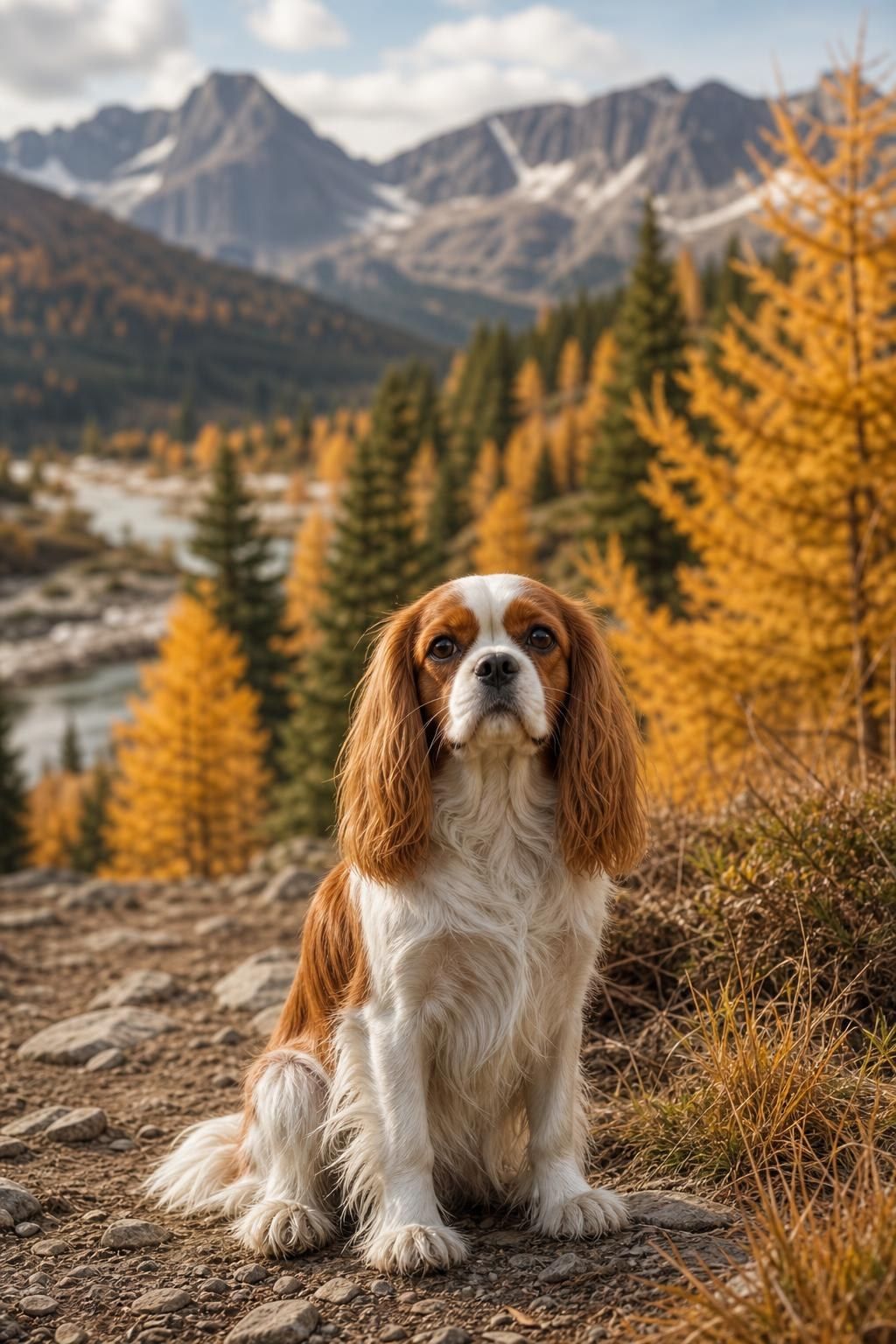
Edmonton and Calgary are not the same winter
The 1971–2000 climate normals put Edmonton's January mean at −13.5 °C, the coldest of the six cities on the provinces overview. Calgary's is −8.9 °C, which sounds closer to Toronto than to Edmonton, but the average hides enormous swings.
For a Cavalier this matters because the breed sits in two of the groups at greater risk in the cold. The BC SPCA advises shorter walks below 0 °C for toy breeds and dogs with medical issues, and the Ontario SPCA says senior animals and those with underlying medical conditions can also be very vulnerable in the cold. Heart disease is one such condition, and mitral valve disease is common in Cavaliers, so many older dogs of this breed will fall into both groups at once. The heart and health testing page explains how common.
In practice an Edmonton Cavalier in January gets short, frequent outings rather than one long walk. A coat and booties are not fashion on a −25 °C morning. Indoor play, sniffing games and short training sessions fill the gap well, and the breed is happy enough with a lap and a window.
What a chinook does to a dog's walk
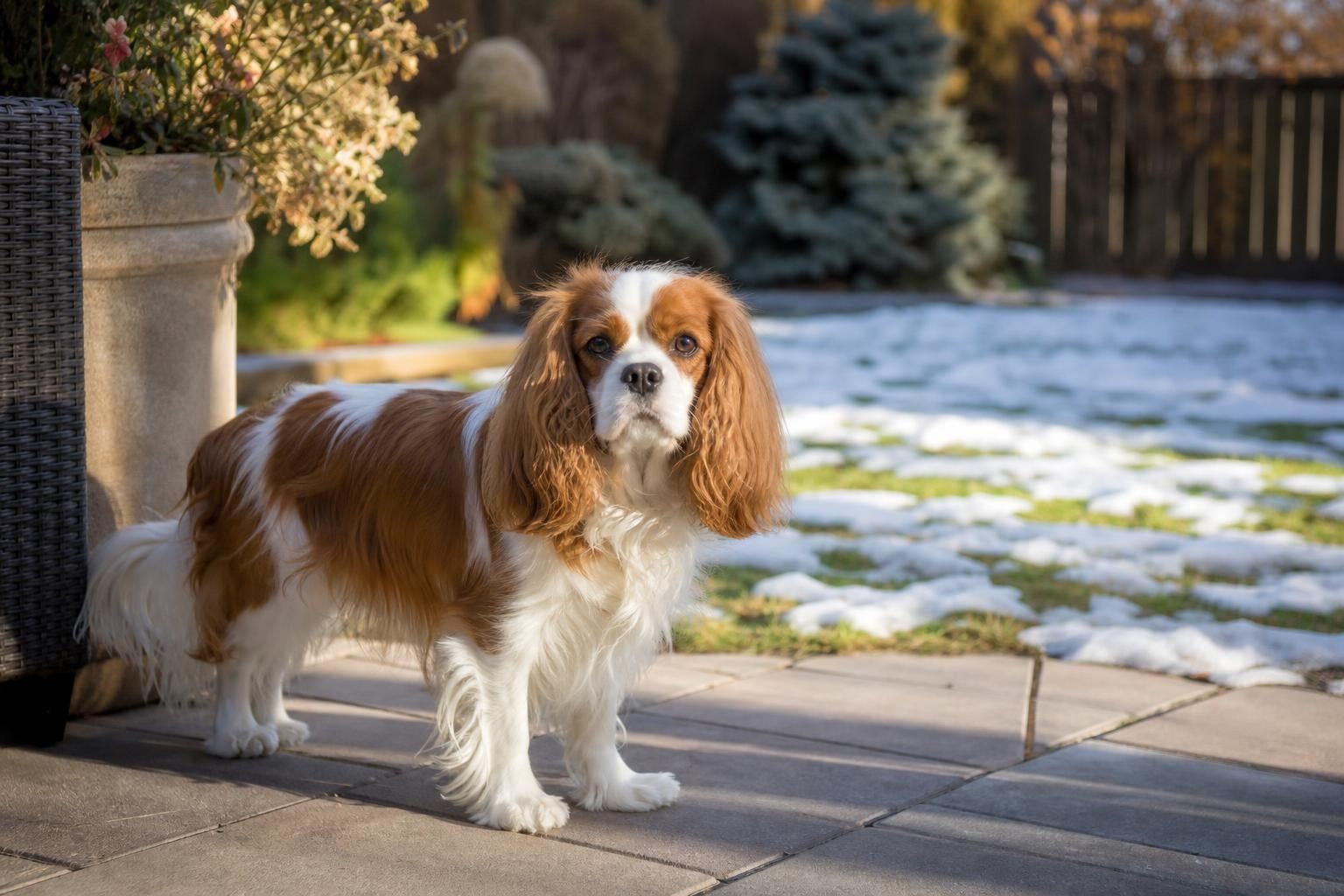
Environment Canada figures quoted by CBC put Calgary's average at about 25 chinook days per meteorological winter, December to February. Swings of 20 to 30 °C are not uncommon when the warm wind arrives over the mountains.
A chinook afternoon feels like a gift. Snow melts off patios and sidewalks, and dogs that have been cooped up get a proper walk. The problems come after. Meltwater mixes with road salt and grit, soaks into the feathering on a Cavalier's legs and feet, and then the temperature drops again overnight. Wet hair between the pads can freeze, and puddles turn into ice by morning.
Two habits help. Dry the feet and leg feathering fully after a chinook walk, not only wipe them. And keep the booties by the door even on a mild day, because the walk home after sunset can be a different season from the walk out.
Rules, clubs and rescue: what is and is not there
Unlike Ontario and Quebec, Alberta has no published provincial rule aimed specifically at dog breeding or puppy sales. That does not mean there are no animal welfare laws; it means this guide has not verified them and will not summarize them. For welfare questions or concerns about a breeder, the Alberta SPCA is the provincial contact.
The national club's list of regional clubs includes none that is clearly based in Alberta. Two Canadian Cavalier rescue websites that still appear in older online lists, one of them Alberta-based, no longer work, so do not rely on them. The national club's own rescue is the dependable option, with the caveat that it places only one or two dogs a year.
That leaves the national tools doing most of the work. The CKC Puppy List can be filtered for Alberta, and the national club's directory shows which breeders follow its Code of Ethics. The breeder questions are the same in Red Deer as anywhere else.
Heart specialists
This guide has no verified list of Alberta cardiology clinics. Ask your vet to refer you to a board-certified veterinary cardiologist.
Alberta contacts
These are the organizations with current, working contact pages. The Sheltie club is included because a fair number of readers are weighing the two breeds.
If you are also considering a Sheltie
Alberta has more organized Sheltie activity than Cavalier activity. Besides the Edmonton fanciers club, the Canadian Shetland Sheepdog Association lists the Alberta Shetland Sheepdog and Collie Association among its member clubs. A Sheltie's double coat, a harsh outer layer over a dense undercoat, is built to insulate, which is a real point in its favour on a prairie winter morning.
The trade-offs run the other way on grooming and on drug sensitivity (the MDR1 mutation). The Cavalier or Sheltie comparison lays them out, and the Sheltie guide covers the breed in full.
Deep-cold days on the prairie
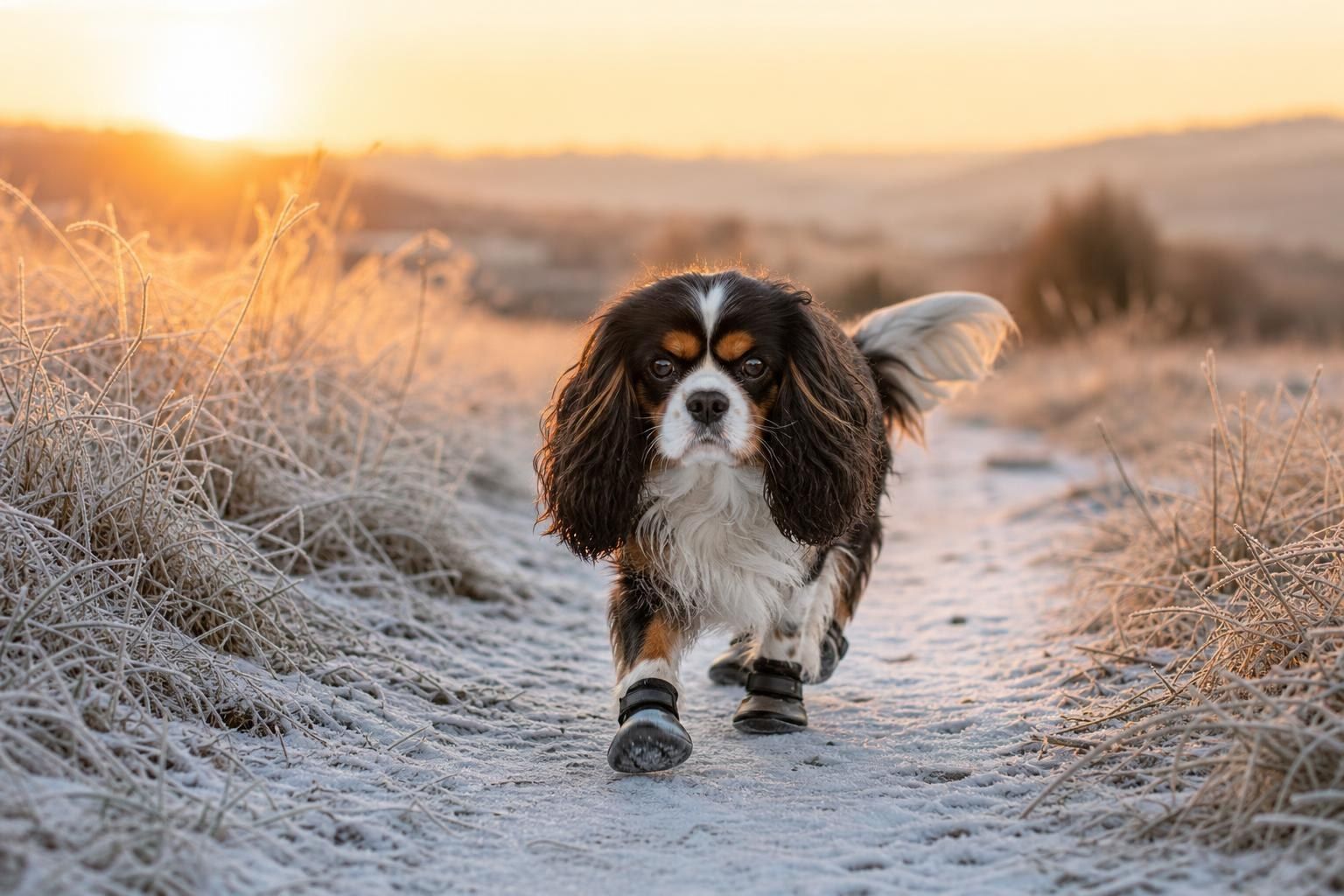
The coldest Alberta mornings are well beyond what a toy dog should be out in for long. Frostbite usually starts at the ears, tail and paws, and the advice from veterinary and SPCA sources is consistent on what to do. Keep the walks short and watch the dog more than the thermometer.
Booties protect pads from ice, salt and grit; get the dog used to them indoors first.
If you suspect frostbite, place the area in a bowl of lukewarm water, pat it dry without rubbing, and call a vet, as the BC SPCA advises.
Shivering, pale or grey gums, lethargy and stumbling are the BC SPCA's listed signs of hypothermia.
A Cavalier with a known murmur belongs in the higher-risk group, so cut its walks shorter than a healthy young dog's.
Budgeting in Alberta
Winter adds a little to the gear list here: booties, a coat, perhaps a second set. The bigger lines are the same as elsewhere, a puppy at roughly $2,000 to $4,000 or more and yearly vet care and insurance, and the calculator puts them together.
Questions people ask
1How cold is too cold for a Cavalier in Edmonton?
There is no single cut-off, but Edmonton's January mean of −13.5 °C is already hard on a toy dog. Small dogs and dogs with medical conditions such as heart disease are at greater risk of frostbite and hypothermia. On the coldest days keep outings short, use booties and a coat, and bring the dog in at the first sign of shivering.
2Do chinooks affect dogs in Calgary?
Mostly through the ground underfoot. Calgary averages about 25 chinook days in a winter, with swings of 20 to 30 °C. Meltwater, salt and grit soak into paw hair and leg feathering, then refreeze overnight. Dry the feet properly after chinook walks and keep booties handy for the evening refreeze.
3Is there a Cavalier rescue in Alberta?
There is no active Alberta-based Cavalier rescue with a working website at present. An Alberta rescue still appears on some older online lists, but its website no longer works. The national club's rescue places one or two dogs a year across Canada, and the Alberta SPCA handles general adoptions. See the adoption guide for other routes.
4How do I find a Cavalier breeder in Alberta?
Filter the CKC Puppy List for Alberta and check the national club's breeder directory, since no Alberta regional Cavalier club appears on the national club's list. Ask each breeder for a cardiologist's report on both parents and plan to visit in person, as the national club advises.
5Does Alberta have a law on puppy mills or breeding age?
This guide has not found an Alberta rule comparable to Quebec's 2024 regulation or Ontario's 2024 puppy-mill amendment, and it does not summarize laws it has not checked. For welfare concerns about a breeder or a dog, contact the Alberta SPCA.
6Where can my Cavalier see a heart specialist in Alberta?
This guide has no verified list of Alberta clinics. Ask your regular vet for a referral to a board-certified veterinary cardiologist. Canada has only about 25 of them, according to the OVC Cardiology Service, so book early. The national club recommends cardiologist screening for every Cavalier from age one, and says a regular vet visit is not sufficient for heart screening.
The other provinces
British Columbia
Wet coastal winters, ferry trips with a toy dog, and why the BC Cavalier club's rehoming list is closed for now.
Read the notes on British ColumbiaMaritimes
An Atlantic Cavalier club with no website, the Nova Scotia SPCA and PEI Humane Society, and damp coastal winters.
Read the notes on MaritimesOntario
The PAWS Act, the 2024 puppy-mill amendment, rabies rules at three months and the cardiology service at Guelph.
Read the notes on OntarioQuebec
The February 2024 welfare regulation in plain English, no regional club, and the 2027 National Specialty in Terrebonne.
Read the notes on Quebec